.svg)
Explore Stories That Matter
A world full of Stories
From classrooms in Tanzania to conferences in Monaco, these stories show that impactful change can start anywhere.


Student Spotlight
Student Spotlight
.svg)
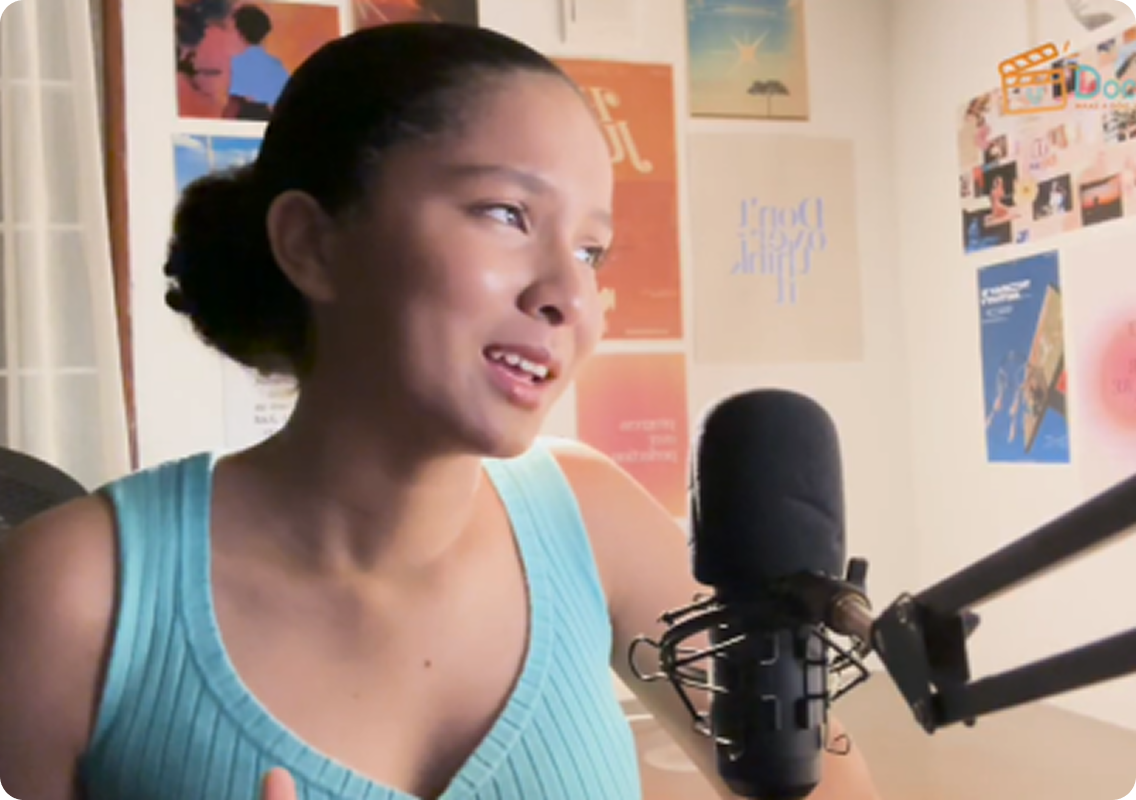
✅ Led the planning and delivery of a hosted Docathon event
✅ Ran a Docathon After-School Activity club to support student filmmakers
✅ Earned two leadership credentials.
Student Films
BEYOND LIMITATIONS
A GIRL WITH A DREAM IS ON FIRE
Light of hope
RAINDROP
Budapest Bike Mafia
Dolma Ling Soup Kitchen
Kazakhstan
Student Voices

school stories
Connecting High School English with the Real World
30 students | Grades 11–12
Bringing Service & Sustainability Week to Life
200+ students | Grades 7–9
.png)
From Classroom to Changemaker
80 students, Grade 10
.png)
A Regional Showcase of Student Stories
10+ European Schools In collaboration with the Changemaker Conference
.png)
Ready to dig deeper into how Docathon can work in your school or classroom?
EXPLORE THE DOCATHON DISCOVERY HUBMAD Stories
BLOG

Every school has its "rockstar" students - the ones who attend every Model United Nations conference, sustainability initiative, or leadership programme.
But for every one of those students, five or ten others remain disengaged.
This raises a question educators everywhere wrestle with:
How do we get more students to care?
After all, unless we narrow the gap between the ‘rockstars’ and everyone else, can we really claim to be preparing young people to engage positively with the world around them?
A recent collaboration in Hong Kong offers some interesting insights.
A collaboration around stories that matter
The project brought together Sprouts Foundation, which creates enrichment opportunities for students from local Hong Kong schools, and Plastic Free Seas, an NGO that empowers young people to take action against plastic pollution.
Takeaway Takes Away Our Life, a film made by student storytellers from Sprouts Foundation, Hong Kong
Through Docathon, students created short documentary films exploring plastic waste in their communities.
For many of the students, this was their first experience with filmmaking. They had never interviewed strangers, edited a video, or researched an environmental issue in depth. Many were also building confidence communicating in English.
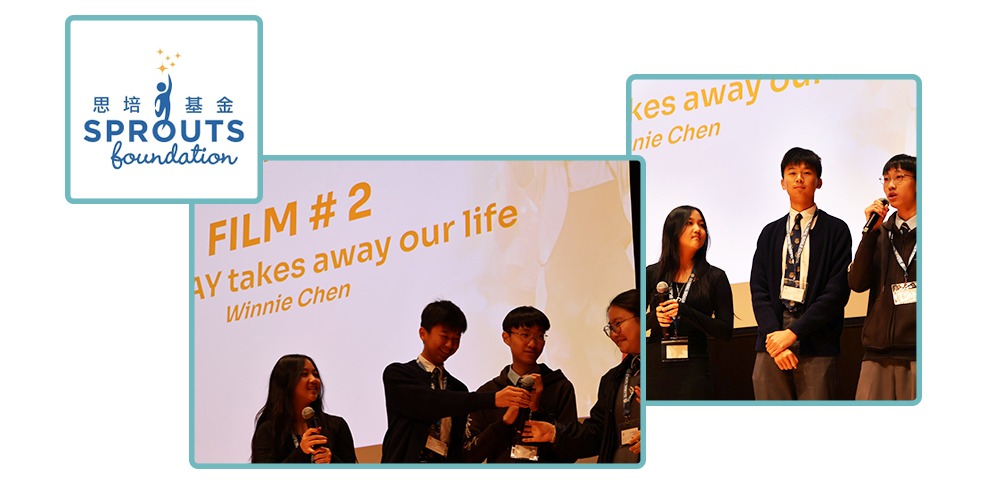
This setting created an ideal opportunity to explore how storytelling might change the way students engage with real-world issues.
Investigating real-world issues brings learning to life
Dana from Plastic Free Seas, who has delivered environmental workshops in dozens of Hong Kong schools, noticed a key difference in this programme.
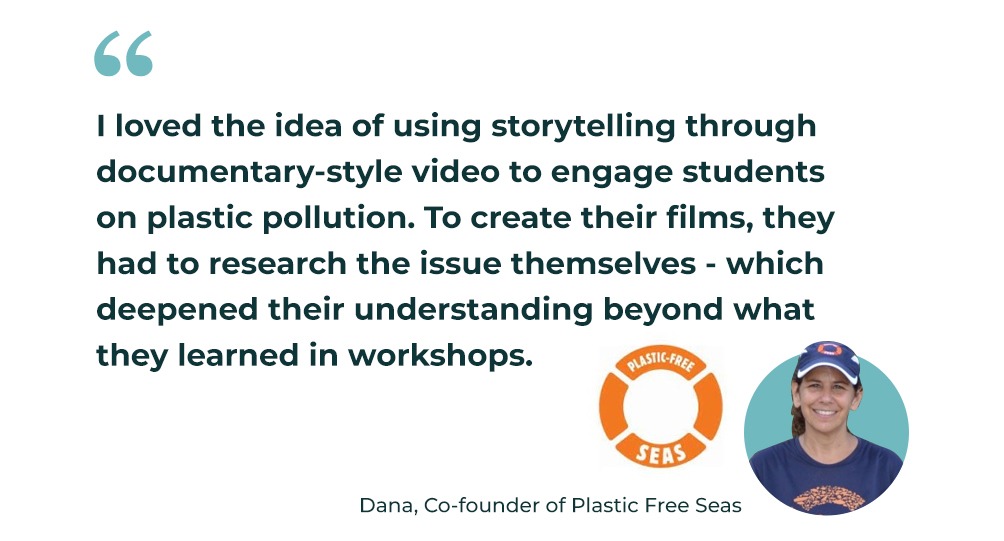
Instead of simply learning about plastic pollution, students investigated it firsthand - interviewing people in their communities and exploring how the issue affects everyday life.
Exploring different perspectives encourages reflection
Winnie, one of the student filmmakers, described how interviewing people in the community changed the way she saw the issue:
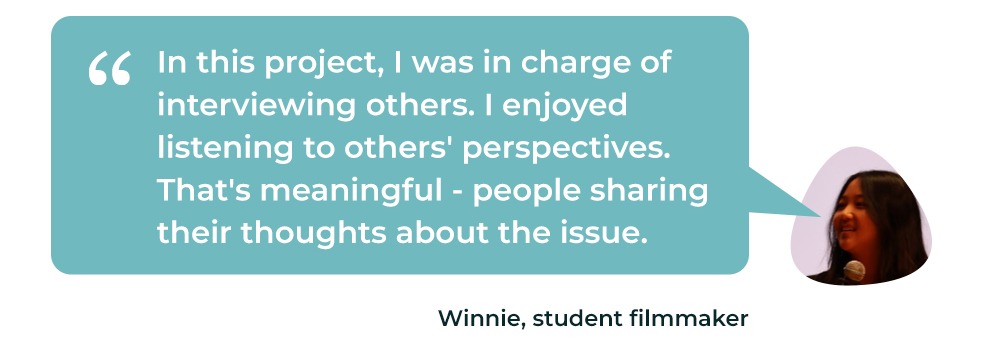
Through this process, Winnie moved from seeing the project as just another classroom assignment to reflecting on her own behaviour in relation to the issue.
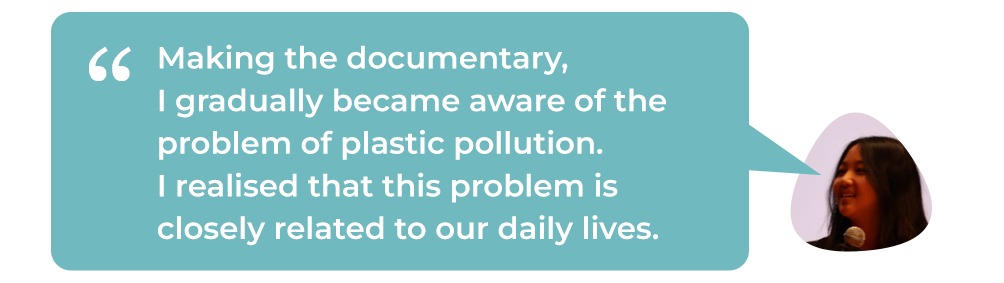
By investigating the issue themselves, students began to connect with it - and that connection sparked something important: they started to care.
Sharing their film with an authentic audience is highly motivating
Students then had the opportunity to share their story at the Hong Kong Docathon, hosted by the Canadian International School of Hong Kong during its annual SDG Summit.
As students developed their films, they began to feel responsible for telling the story well.
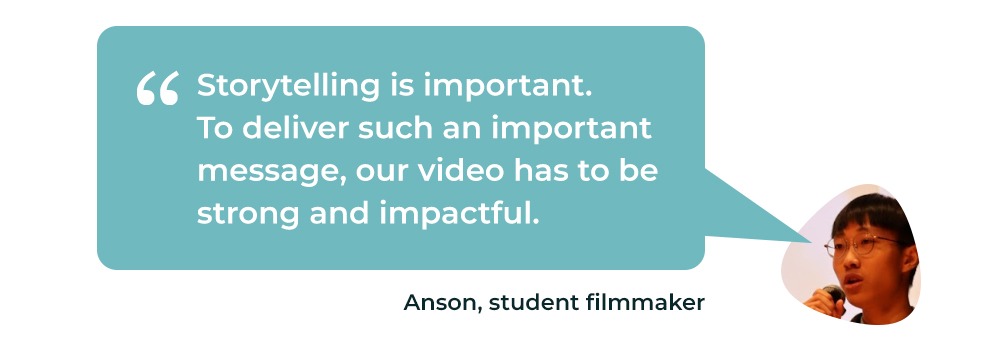
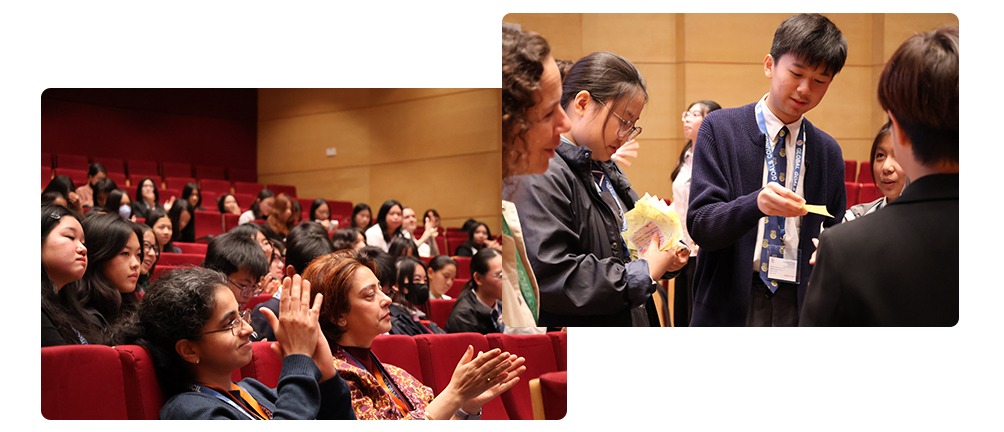
On 7 March, the students presented their films to an audience of over 150 students and educators from around 10 schools across Hong Kong. They introduced their documentaries, answered questions on stage, and discussed the issues their films explored.
The students went from being merely curious to having a genuine sense of responsibility for the issues they explored.
Final thoughts
When students become storytellers, they begin to care more deeply - not just the so-called “rockstars,” but everyone involved in the telling of that story. That’s why purposeful storytelling really is the single most important superpower we have to change the world.

Tom Graham
March 25, 2026

You know how we hear “Student Led” quite a lot these days?
I’ve been pondering this, because it seems to hold some inherent tensions. Quite a few, if I’m to be honest. It might boil down to a simple fact: that schools are adult-designed (and directed) institutions trying to simulate student autonomy.
One of the tensions lies in how much structure is given. Too much structure might not feel very student-led. Too little structure might lead to confusion, inequity, surface-level work and even stress for the students.
Another tension that comes to me is this: “Student-led” might unintentionally favour certain learners. Confident, articulate, organized students tend to thrive while students who need more support may struggle with open-ended autonomy. Is this okay? Do we give these confident, articulate students a chance to really shine and that’s what leadership means? Are all types of students included in building leadership skills? I don’t have the answer…it’s just something I’ve been thinking about.
What got me thinking about this?
Well, it’s the BRIDGE TO IMPACT Changemaker Conference that’s happening at IS Düsseldorf, March 5-7. It’s the fourth Changemaker’s conference that Make A Difference Courses will be involved with, featuring Docathon - students telling purposeful stories from their local communities and sharing them with the world via 3-6 minute documentary films.
Here’s what went down at the 2025 Changemakers Conference in Budapest:
A sneak peek into what went down at Docathon Global held in American International School of Budapest (AISB), 2025
It’s a student-led conference, and each year I am amazed at how the delicate balance of structure and guidance is navigated, and how students with a variety of personalities and skillsets all can shine. I have learned a lot from working with both the adults who are involved and the students that are leading: there is not always an obvious path, where everybody knows exactly their role and their course of action, BUT, what is super clear to me is that students get a chance to PRACTICE leadership, in a structured environment. I think that’s critical if we want to grow leadership in our student body.
Here are some examples of growth in leadership skills within structure that I’ve seen in working with Jonah, a student from IS Krakow, who will be delivering a workshop at the Changemaker’s Conference based on his experience with Docathon.
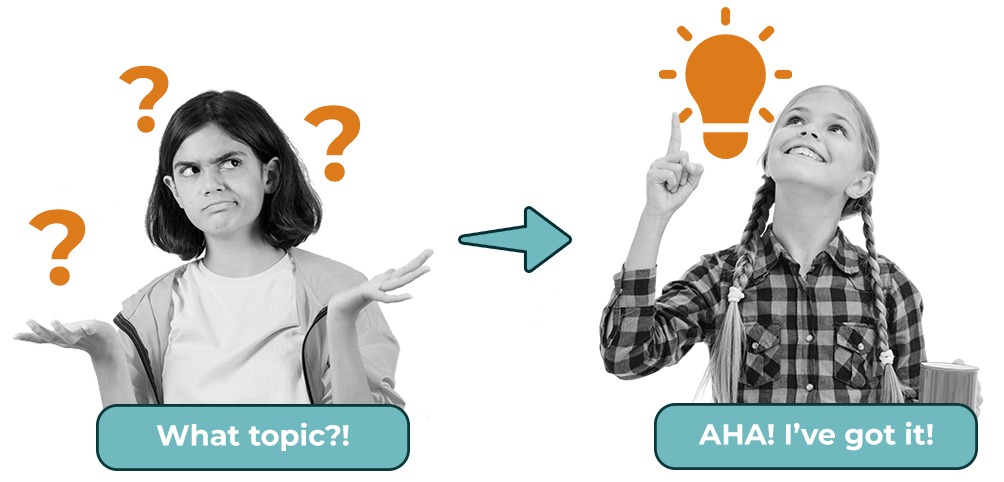
He’ll be sharing his journey from not even knowing what topic he wanted to focus on, to his “AHA” moment, and then the realisation that stories are all around us, waiting to be told. He hopes to inspire other students to look around, see the untold stories, and then to become purposeful storytellers who inspire and motivate others to change the world for the better. Here are some words from this young storyteller and budding leader:
On the process of creating his film, and the workshop itself - and the intentional and ethical use of AI
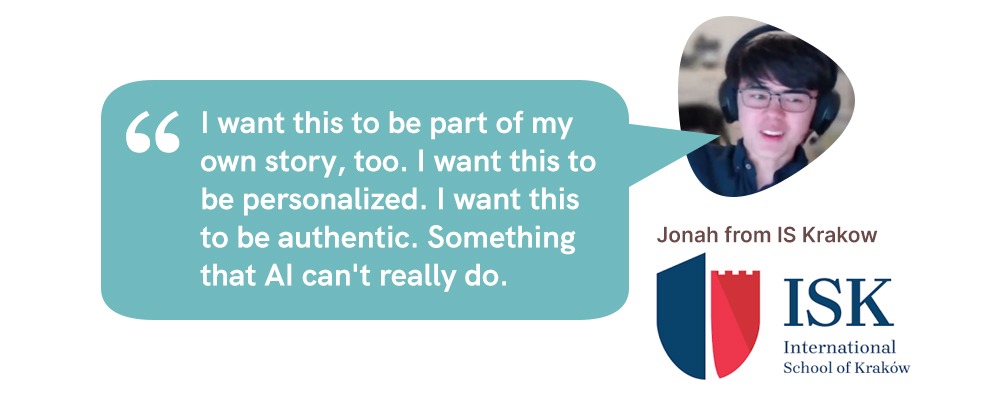
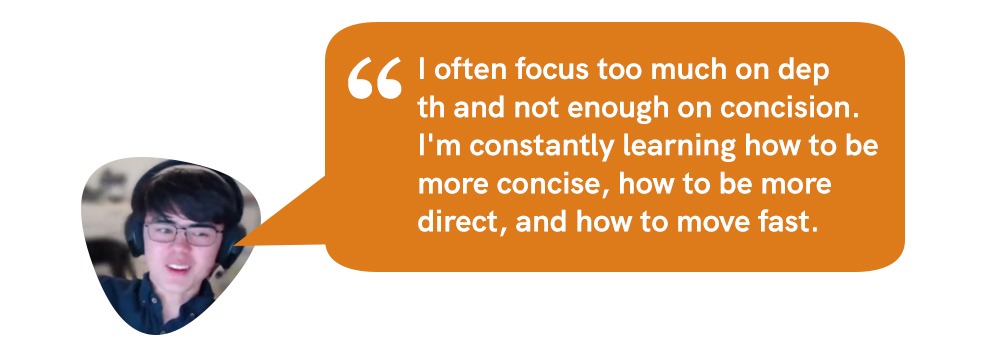
On self-awareness - not only in cutting his film down to the requisite 3-6 minutes, but in planning the delivery of his workshop at the conference:
On planning and responsibility:
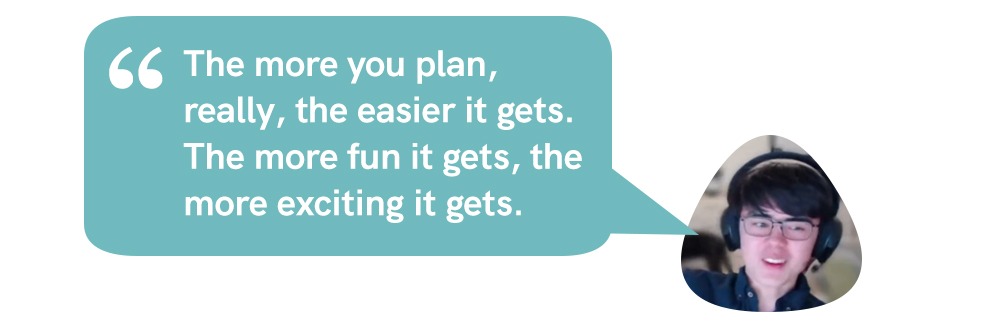
These insights and observations from Jonah give me a clearer picture of how “student led” can truly work for students and be meaningful despite the inherent tensions I talked about before.
I am grateful for the students leading the Changemaker’s Conference at ISD for the opportunities they are taking for themselves to grow in the area of leadership, and also for the opportunities they have created for other students to practice leadership skills.
Here’s what you can expect at the 2026 Changemakers Conference in Düsseldorf, Germany:
BRIDGE TO IMPACT – Changemakers Conference 2026
March 5–7, 2026 | 📍International School of Düsseldorf | Düsseldorf, Germany
And a shoutout to Inspire Citizens’ Sophie Peccaud for offering an ISD training session for student presenters: Leading a Changemaker Workshop. It takes a village, and this village of students and educators leads me to believe that we can overcome the tensions inherent in student leadership to bring meaningful opportunities to grow in leadership skills.

Suji DeHart
February 26, 2026
Backing the Next Generation of Storytellers